Bed Bug Exterminator for Hotels with Proven Results
Say Goodbye to Bed Bugs: Understanding Heat Treatment and Why It Gets Results
Bed bugs continue to pose a significant challenge for many residences. Standard treatments commonly use dangerous chemicals that present health risks. Thermal treatment provides a practical solution. Through the application of elevated temperatures, this approach successfully eliminates every life stage of bed bugs. Understanding the mechanics behind this approach reveals its advantages. What precise factors enable thermal treatment to be so efficient? The findings could transform one's perspective on pest management.
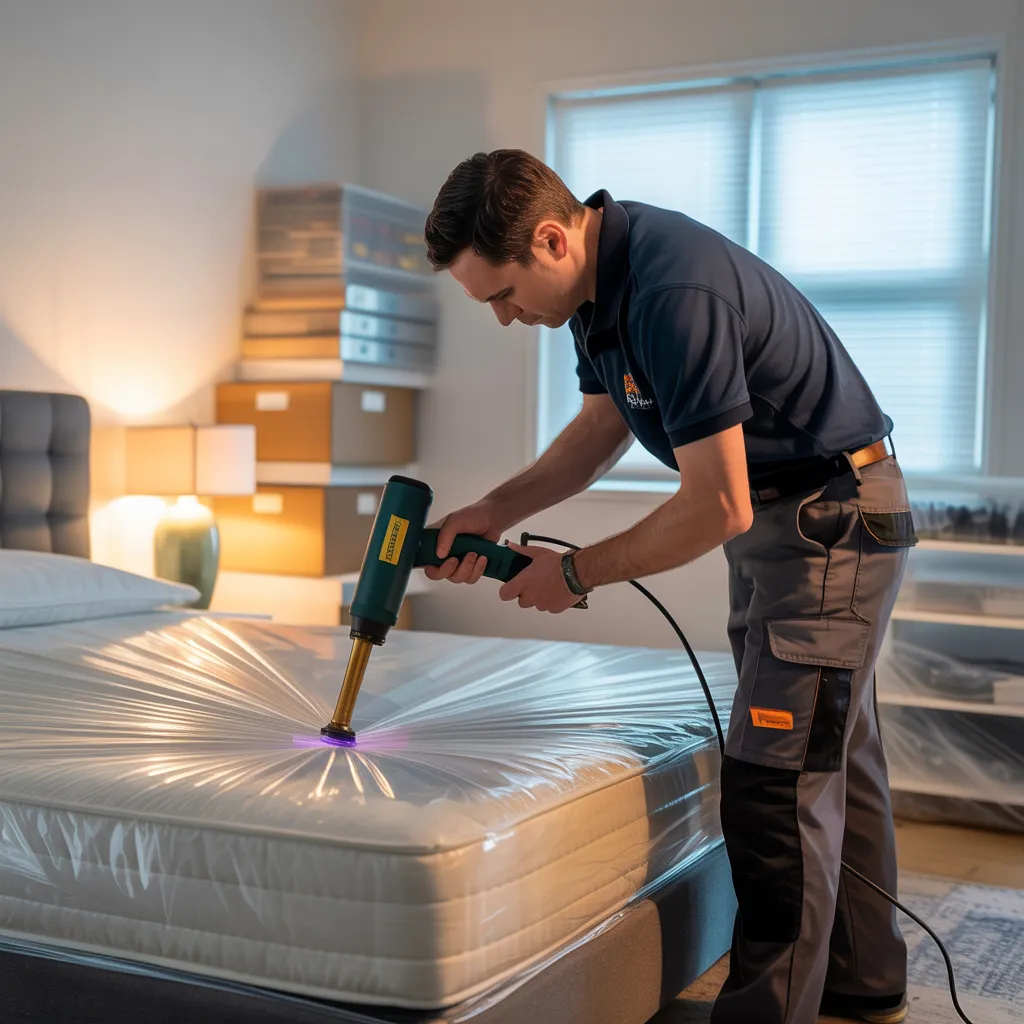
Battling Bed Bugs? Find Out How Heat Treatment Can Help
How can homeowners effectively combat the ongoing problem of bed bugs? Many are turning to heat treatment as a proven solution. The process consists of raising the temperature of contaminated rooms to levels fatal for bed bugs, targeting all life stages, from eggs to adults. Unlike traditional pesticides, which can leave toxic residues and need multiple applications, heat treatment provides a simpler and cleaner solution.
Expert pest management companies typically utilize purpose-built technology to guarantee consistent heat circulation throughout the contaminated environment. Residents value that this method is chemical-free, making it a better option for families and pets. Furthermore, heat treatment typically produces a faster outcome, allowing residents to return to their normal routines sooner.
While heat treatment is often an investment, its effectiveness and thorough nature make it a preferred option for homeowners dealing with persistent bed bug infestations, providing a promising path to taking back their homes.
The Scientific Principles Behind Temperature and Bed Bug Elimination
Understanding the correlation between temperature and bed bug mortality is key to grasping the efficacy of heat treatment. Bed bugs, scientifically known as Cimex lectularius, are sensitive to temperature extremes. Research indicates that exposure to temperatures above 118°F (48°C) for a sustained period can successfully eliminate bed bugs in all life stages, including eggs. In contrast, temperatures below 50°F (10°C) can prolong their survival, enabling them to reach a dormant state.
The deadly impact of heat on bed bugs stems from its effect on their biological processes. Extreme temperatures compromise cellular activity and result in dehydration, eventually leading to mortality. Moreover, heat treatment infiltrates multiple materials, making certain that hidden colonies are treated. The success of this technique is rooted in its capacity to maintain uniform temperatures throughout infested spaces, eradicating the insects without relying on chemical treatments, establishing it as a top selection for numerous pest control specialists.
How Heat Treatment Is Effective Against Bed Bugs
Heat treatment is a highly effective method for exterminating bed bugs owing to its capability to attain temperatures fatal to all developmental stages of these pests. In contrast to chemical treatments, which bed bugs may build resistance against, heat infiltrates surfaces and removes infestations entirely. This approach disrupts the bed bug life cycle, guaranteeing that both adult bed bugs and their eggs are thoroughly addressed.
High Temperature Effectiveness
A wealth of research has confirmed that high heat effectively eliminate bed bugs across every stage of development, including adults, nymphs, and eggs. Upon exposure to heat levels surpassing 120°F (49°C), bed bugs suffer critical physiological breakdown, resulting in death. Heat travels through various surfaces and infiltrates hiding places, ensuring thorough treatment. As opposed to chemical solutions, which risk leaving residues or losing effectiveness through resistance, heat-based treatment delivers a thorough solution free of harmful substances. In addition, the process is quick, commonly requiring no more than a few hours to reach effective outcomes. This efficiency makes heat treatment a popular choice for both residential and commercial settings, as it not only eliminates current infestations but also reduces the likelihood of future occurrences.
Bed Bug Life Cycle
The effectiveness of thermal treatment against bed bugs is closely linked to their life cycle. Bed bugs undergo several stages: egg, nymph, and adult. Eggs are particularly vulnerable, as they cannot endure high temperatures. Once hatched, nymphs and adults are also at risk; however, they can survive lower temperatures for brief periods. Heat treatment elevates the temperature to thresholds fatal for all life stages, interrupting their life cycle. At 118°F (48°C), bed bugs commence dying within 90 minutes, while temperatures above 122°F (50°C) can eradicate them within minutes. This comprehensive approach ensures that not only adult bed bugs are exterminated, but also their eggs and nymphs, making heat treatment a remarkably efficient method for complete extermination.
Chemical Resistance Constraints
Many pest control experts are increasingly concerned about the increasing chemical resistance of bed bugs. Conventional insecticides, once reliable, are continually failing due to adaptive mechanisms in bed bug populations. These bugs can develop resistance through genetic mutations, making it difficult for chemical treatments to eliminate infestations completely. As a result, relying solely on chemicals can result in prolonged infestations and increased costs for homeowners. In contrast, heat treatment circumvents this issue by attacking bed bugs with high temperatures that they cannot withstand. At temperatures above 120°F, bed bugs, including eggs and nymphs, are swiftly eliminated within minutes. This method not only provides thorough extermination but also eradicates the risk of resistance, making heat treatment an effective solution for bed bug infestations.
Why Heat Treatment Outperforms Chemical Solutions
While both heat treatment and chemical solutions aim to eradicate bed bugs, heat treatment offers distinct advantages that make it a preferred choice for many. A major benefit is its effectiveness in destroying all developmental stages of bed bugs, eggs included, in a single visit. This comprehensive elimination lowers the chances of reinfestation, a frequent problem with chemical treatments that may fail to penetrate all harborage areas.
In addition, heat treatment remains an environmentally safe option, as it avoids the use of toxic chemicals that can present health hazards to both people and their pets. It also removes the need for time-consuming preparations, such as removing bedding or personal items, making the process more convenient.
Furthermore, heat treatment commonly achieves more rapid recovery periods, enabling affected individuals to go back to their everyday lives faster. All things considered, the safety and effectiveness of heat treatment render it a powerful option over traditional chemical solutions in the fight against bed bugs.
Expectations During Heat Treatment
Throughout thermal treatment for bed bugs, residents can look forward to a thorough process that encompasses increasing the thermal levels within the affected area. The process usually requires multiple hours, ensuring deep permeation to eliminate pests at each phase of their lifecycle. After the procedure, marked differences in the environment, such as improved sanitation and diminished pest presence, will be apparent.
What You Can Expect During
Bed bug heat treatment requires a systematic and thorough process designed to eliminate infestations effectively. In the course of this treatment, the affected area will be sealed to trap heat, making certain that temperatures rise to levels deadly to bed bugs at every stage of their life cycle. Property owners will need to have personal items taken out of the treatment zone, along with the deployment of professional equipment including heaters and temperature sensors. Trained professionals will carefully track temperature levels, guaranteeing consistent temperature spread throughout the treated space. It is essential for residents to vacate the premises for a specified duration to avoid exposure to high heat. Once the treatment concludes, a follow-up evaluation may be suggested to confirm the treatment's efficacy and guarantee that no bed bugs are still present.
Duration Of Treatment Process
What is the typical duration of a bed bug heat treatment? Generally, the treatment process can take anywhere from six to eight hours, depending on the size of the infested area and the severity of the infestation. Throughout this period, a temperature range of 120°F to 140°F is sustained to ensure the complete eradication of bed bugs at every life stage. Residents should anticipate the whole area reaching high temperatures, which might necessitate relocating delicate belongings prior to treatment. Following the treatment, a cooldown phase will occur, giving the space time to return to a comfortable temperature. It is important for residents to leave the property as directed to ensure optimal outcomes and safety during the procedure.
Post-Treatment Environmental Modifications
During the heat treatment process, significant changes in the environment can be expected. Heat levels in the treated zone will climb consistently, typically climbing to ranges between 120°F and 140°F. Such heat levels efficiently eradicate bed bugs at every stage of development, yet it may also call for accommodations on the part of the occupants. Belongings such as electronics and fragile materials should be taken out or shielded to prevent potential harm. Additionally, some furniture may need to be moved to guarantee even heat distribution. The process can create an uncomfortable atmosphere, leading to temporary relocation for residents. Upon completion of the treatment, a detailed inspection and cleaning are critical to ensure all remaining pests have been eradicated, thereby confirming the success of the heat treatment.
Essential Steps to Prepare for Heat Treatment
Preparing for bed bug heat treatment demands thorough preparation to guarantee optimal results and safety. Homeowners should begin by removing items from the treatment area, including personal belongings, clothing, and linens, to avoid damage and ensure thorough heating. It is crucial to clean and dry these items on elevated heat settings to eliminate any hidden bed bugs.
Moreover, furniture must be repositioned away from walls to enable unrestricted heat circulation. In addition, sensitive electronics, plants, and perishable goods must be moved to avoid exposure to high temperatures. Pets must be taken to a safe environment during treatment, as they are susceptible to harmful effects.
Finally, staying in contact with the pest control specialist is crucial for comprehending the personalized directions suited to your particular case. Adhering to these measures will optimize the overall success of the heat treatment procedure, promising a residence that is entirely rid of bed bugs.
Frequently Asked Questions
How Much Time Does Heat Treatment Need to Get Rid of Bed Bugs?
Heat treatment generally requires between six to pertinent information eight hours to effectively eliminate bed bugs. This procedure requires maintaining specific temperatures for a prolonged duration, guaranteeing that every life stage of the pests is eliminated.
Are My Belongings at Risk During Treatment?
During heat treatment, the risk to belongings remains minimal. Nevertheless, items sensitive to high temperatures, including electronics or specific types of fabrics, could sustain damage. Taking the right precautions can effectively reduce these risks.
Can Pets Be Present in the Home During Heat Treatment?
Pets must not stay in the home during thermal treatment. The high temperatures may be dangerous for them, so it's advisable for owners of pets to make arrangements for their pets to be housed elsewhere during the procedure.
Is Heat Treatment Effective on All Life Stages of Bed Bugs?
Yes, heat-based treatment thoroughly combats bed bugs at every stage of development, including adults, nymphs, and eggs. The intense heat reach multiple hiding areas, ensuring thorough extermination and protecting against subsequent infestations.
How Regularly Should I Arrange Heat Treatments for Prevention?
Arranging heat treatments every six to twelve months is recommended for prevention. This frequency works to address any potential infestations early, ensuring a forward-thinking approach to sustaining a bed bug-free environment in residential properties.